Sexual problems in men are ongoing troubles with desire, erections, ejaculation or orgasm, such as erectile dysfunction (ED), premature ejaculation (PE), low sex drive and worries about nightfall. They are common and treatable. Most have a clear root cause, like stress, diabetes, hormones or habits, and they usually improve once a doctor finds and treats that cause.
Raaz has carried out 50,000+ doctor consultations, and in our experience "1 in 4 men struggle with ED and PE". Global figures point the same way: Cleveland Clinic notes that up to 31% of men report some degree of sexual dysfunction. For a closer look at the Indian numbers, see how common sexual problems are in India.
If you are reading this late at night and feeling worried or embarrassed, you are far from alone. Below you will find the common types, the real causes, the myths Indian men grow up hearing, an honest look at ayurvedic remedies, how treatment works, what it costs, and when to see a doctor.
What are sexual problems in men?
Sexual problems in men are any ongoing difficulty with wanting sex, getting or keeping an erection, ejaculating or reaching orgasm that bothers you or your partner. A bad night now and then is normal; doctors start to think of a problem when it keeps happening for weeks or months and causes distress.
Sexual health problems in men (doctors also call them male sexual dysfunction) fall into four broad groups:
- Desire: little or no interest in sex (low libido).
- Erection: trouble getting an erection, or losing it too soon (ED).
- Ejaculation: finishing too early (PE), too late, or not at all.
- Worry and discomfort: anxiety about nightfall, semen loss or size, and pain or burning that may point to an infection.
Many men search for "sexual weakness" when they mean one of these problems. That word is misleading. These are medical conditions with causes a doctor can find, not a flaw in your body or character.
Is it the same as gupt rog?
Partly. Gupt rog literally means "secret disease". Dictionaries translate it as venereal disease, meaning a sexually transmitted infection (STI), and a gupt rog specialist as a venereologist.
In everyday Indian use and in clinic advertisements, though, gupt rog covers almost any sexual problem in men: ED, PE, nightfall, low desire and more. A good doctor will ask about your actual symptoms and use the specific medical name, because each one has different causes and a different treatment.
What are the most common sexual problems in men?
The most common are erectile dysfunction, premature ejaculation and low sex drive. Younger men also often worry about nightfall and semen loss, while burning, discharge or sores usually point to an infection rather than a sexual problem.
This table gives a quick overview. Each problem is explained below.
| Problem | What you notice | Common root causes |
|---|---|---|
| Erectile dysfunction (ED) | Erection does not come, is not firm enough, or fades during sex | Diabetes, BP, cholesterol, smoking, stress, low testosterone |
| Premature ejaculation (PE) | Finishing very quickly, often within 1 to 3 minutes, most of the time, with distress | Anxiety, brain chemistry, thyroid problems, prostate inflammation, ED |
| Low sex drive | Little interest in sex for months | Low testosterone, thyroid, depression, poor sleep, some medicines |
| Delayed ejaculation | Taking very long to finish, or not finishing | Some antidepressants, nerve damage from diabetes, anxiety |
| Nightfall worry | Semen release during sleep, and fear it is harmful | A normal body process; worry comes from myths |
| Dhat (semen-loss worry) | Fear that losing semen causes weakness, tiredness or illness | Cultural beliefs, anxiety, low mood |
| Burning, discharge or sores | Pain when passing urine, discharge, ulcers or warts | Urine infection (UTI) or sexually transmitted infection (STI) |
Erectile dysfunction (ED)
ED, sometimes called impotence (namardi in Hindi), means trouble getting or keeping an erection firm enough for sex. It becomes more common with age, but it is increasingly seen in men in their 20s and 30s. It is often the first sign of a blood-flow or hormone problem, which is why it deserves a proper check rather than a quick pill. Read our full guide to erectile dysfunction causes and treatment.
Premature ejaculation (PE), sometimes searched as shighrapatan
PE means regularly finishing sooner than you or your partner want, often within about a minute of penetration (or within about three minutes when it starts later in life), and feeling upset about it. Nearly every man finishes too quickly now and then, especially with a new partner; that alone is not PE. It becomes a problem when it happens most of the time for months. Our guide to premature ejaculation treatment covers the techniques and medicines that work.
Low sex drive (low libido) and low testosterone
Interest in sex naturally goes up and down with work pressure, sleep and mood. A drop that lasts for months, especially with tiredness, low mood, weight gain around the belly or weaker erections, can point to low testosterone or a thyroid problem. A simple blood test can check. Learn the low testosterone symptoms worth getting tested for.
Delayed ejaculation
This is the opposite of PE: taking a very long time to finish, or not being able to finish at all, even with an erection. It is less common and is often linked to certain antidepressants, nerve damage from long-standing diabetes, or anxiety. It is treatable once the cause is clear.
Nightfall (nocturnal emission, wet dreams)
Nightfall, known as swapndosh in Hindi, is the release of semen during sleep. It is a normal body process, most common in teenagers and young unmarried men, and it does not cause weakness. It only needs attention if it is very frequent and is causing you real worry. Read more about nightfall treatment and what actually helps.
Worry about semen loss (Dhat)
Many young Indian men are taught that semen is precious and that losing it, through nightfall, masturbation or passing it in urine, drains strength. Doctors call this worry Dhat syndrome. The Indian Journal of Psychiatry's clinical practice guidelines treat it as a belief-driven anxiety, and the first step in treatment is clear, accurate sex education. The tiredness and low mood are real, but semen loss is not what causes them.
Burning, discharge or sores (UTI or STI)
Burning when you pass urine, a discharge from the penis, or sores, blisters or warts in the genital area usually mean an infection. A urine infection (UTI) or a sexually transmitted infection (STI) can also affect sexual function if left alone. The good news is that most are quick to test for, and most can be cured or well controlled with treatment, so see a doctor promptly rather than waiting.
Other common worries
Many men also worry about penis size, a curve in the erection, or how often they "should" have sex. Most of these worries come from porn and hearsay rather than medicine. If size is on your mind, read our doctor's view on whether penis size really matters.
What causes sexual problems in men?
The same symptom can have very different roots: hormones such as testosterone and thyroid, conditions like diabetes, high BP and cholesterol, stress and poor sleep, habits like smoking, alcohol and gutkha, or side effects of some medicines. Treatment works best once the real cause is found.
This is the heart of how Raaz works. Two men with the same complaint can need completely different treatment. Handing both the same pill might mask the symptom for one of them and miss a serious health problem in the other.
Hormones: testosterone and thyroid
Testosterone drives desire and supports erections. Levels drop slowly with age, and faster with obesity, diabetes, poor sleep and heavy drinking. Thyroid problems also matter: an overactive thyroid is linked to PE, while an underactive one is linked to low desire, ED and delayed ejaculation. Both are checked with simple blood tests. Read more about thyroid and sexual problems.
Diabetes, BP and cholesterol
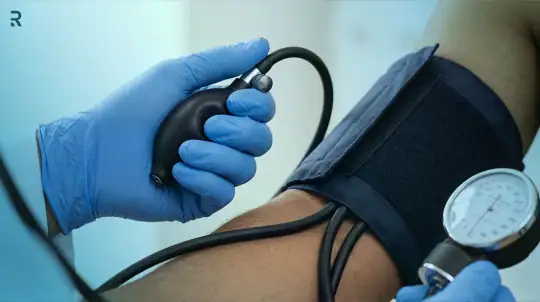
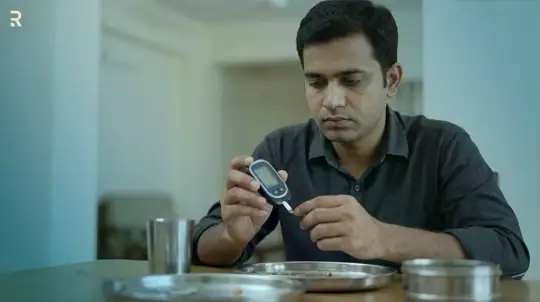
An erection depends on healthy blood vessels and nerves. Diabetes, high blood pressure and high cholesterol all damage them slowly, often years before you notice anything else. In India, a 2025 meta-analysis of Indian studies estimated that about 60% of men with type 2 diabetes have ED.
This is why a new erection problem can be an early warning sign worth checking. Our guides explain the links in detail:
- Diabetes and erectile dysfunction
- High blood pressure and erection problems, including which BP medicines can affect erections
- High cholesterol and erectile dysfunction
Stress, anxiety, sleep and relationship strain
Sex starts in the brain. Work pressure, money worries, depression, fights with your partner and fear of "failing" again can all block arousal or speed up ejaculation. One bad experience can start a cycle: you worry about it happening again, the worry makes it happen, and the cycle grows.
Poor sleep adds to this. Late nights, shift work and screens in bed lower testosterone and raise stress hormones. Psychological causes are just as real as physical ones, and they respond very well to treatment.
Habits: smoking, alcohol and gutkha
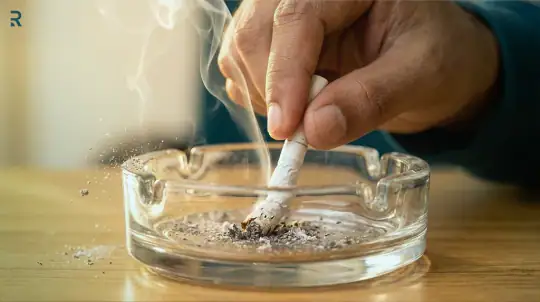
Tobacco in any form narrows and damages blood vessels, including the small ones in the penis. That applies to cigarettes and bidis as well as the chewed tobacco that is so common in India. Alcohol may lower inhibitions for an evening, but regular heavy drinking lowers testosterone and weakens erections over time.
- Does smoking cause erectile dysfunction, and what quitting can reverse
- Chewing tobacco and gutkha effects on sex, erections and sperm
- Alcohol and erectile dysfunction: how much is too much
Your surroundings may matter too. Researchers are studying whether long-term exposure to polluted city air affects blood vessels in ways that touch sexual function; read what is known so far about air pollution and sexual health.
Side effects of medicines
Some common medicines can affect desire, erections or ejaculation. These include certain antidepressants, some blood pressure tablets (such as some diuretics and beta-blockers), and a few others. If your problem started soon after a new medicine, tell your doctor. Never stop a prescribed medicine on your own, because there is usually a safe alternative your doctor can switch you to.
Not sure which of these is behind your problem? The free Men's Test takes about 2 minutes, is completely private, and points to the likely cause, so you know what to fix first.
What are the common myths about sexual problems in men?
Much of what Indian men hear about sex is wrong: masturbation does not cause these problems, nightfall does not drain strength, they are not limited to older men, and they are treatable. The real danger is untested "cures".
Does masturbation cause sexual problems?
No. Masturbation is a normal sexual activity and does not cause ED, PE or infertility. Many men carry guilt about what they call "mistakes of youth", and that guilt, not the act itself, is what often feeds anxiety. Only a compulsive habit that takes over your time, causes distress or makes sex with a partner harder is worth discussing with a doctor.
Does nightfall or semen loss make you weak?
No. Semen is made continuously, and the body releases the extra during sleep. There is no medical evidence that nightfall or semen loss causes weakness, thinness, hair loss or infertility. Roadside clinics sell this fear because it brings customers.
Do only older men get these problems?
No. Older men do have more ED, mainly because of diabetes and blood vessel changes, but doctors now see many men in their 20s and 30s with erection and ejaculation problems. In younger men, stress, anxiety, sleep and habits are often the cause.
Can these problems be treated?
Yes. Most sexual problems in men respond well to treatment, using medicines, counselling, lifestyle changes, or a mix. Many resolve fully once the cause is fixed; others are kept well under control with ongoing care.
Can a hakim or herbal shop cure them?
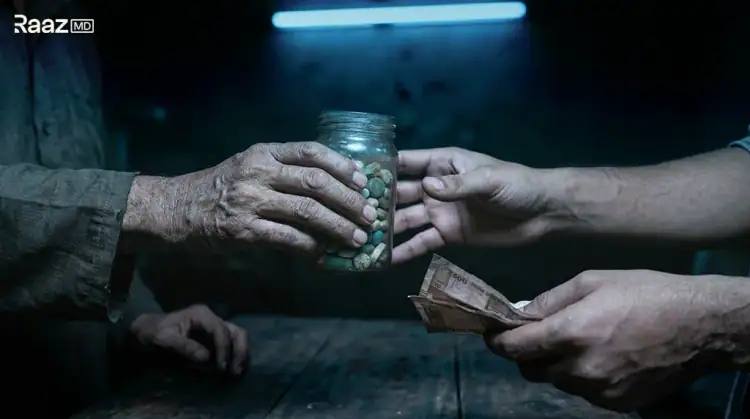
Be very careful. Unlicensed practitioners and roadside clinics often sell unlabelled powders, pills and oils with big promises and no testing. Some contain heavy metals, and some contain hidden prescription drugs at unknown doses. They can delay real treatment and harm your health. A qualified doctor is the safer route.
Do ayurvedic and herbal remedies work for sexual problems?
The evidence is weak: a 2021 Cochrane review found ginseng has only trivial effects on erections, and a JAMA study found that about 1 in 5 ayurvedic medicines tested contained lead, mercury or arsenic. Check any remedy with a doctor before you take it.
Many men try ayurvedic or homeopathic products first, often because they feel more private or "natural". That is understandable. Here is what the research actually shows.
Ashwagandha, ginseng and shilajit: what research shows
- Ginseng: a 2021 Cochrane review of the trials found only trivial, clinically unimportant effects on erections, and most of the evidence was low or moderate quality.
- Ashwagandha: small studies suggest it may help with stress and sleep, which can indirectly help sexual health. It has not been shown in good-quality studies to treat ED or PE.
- Shilajit: a few small studies have looked at testosterone and sperm, but there is no reliable evidence that it treats erection or ejaculation problems. Unpurified shilajit can also carry heavy metals.
None of this means every herb is useless. It means none has been proven as a treatment, and the product in the packet may not match the label.
Hidden risks: heavy metals and undeclared drugs
A study published in JAMA tested 193 ayurvedic medicines sold online, made in the US and India, and found that 20.7% contained detectable lead, mercury or arsenic. Over months, these metals can harm the kidneys, liver and nerves.
Some "herbal" sex products sold around the world have also been found to contain hidden prescription drugs. That is risky for anyone, and especially for men with heart disease or those taking nitrate medicines for chest pain. If a product works "instantly", be suspicious.
How are sexual problems in men diagnosed and treated?
A doctor asks about your symptoms, health and habits, may order simple blood tests (sugar, cholesterol, testosterone, thyroid), then treats the cause with a mix of prescription medicine, counselling and lifestyle changes.
Tests that find the root cause
Diagnosis usually starts with a conversation, not an examination. Your doctor will ask when the problem started, whether it happens every time, whether you still get morning erections, and about stress, sleep, habits and any medicines. Depending on your answers, they may suggest:
- Fasting blood sugar or HbA1c, to check for diabetes.
- A lipid profile, to check cholesterol.
- Testosterone, ideally tested in the morning.
- Thyroid function (TSH).
- Blood pressure measurement.
- Urine tests or STI tests if there is burning, discharge or sores.
These are routine tests, available at most labs in India.
Medicines (only on a doctor's prescription)
Several well-studied medicines help, but they must be chosen for you by a doctor:
- For ED: medicines such as sildenafil and tadalafil improve blood flow to the penis during arousal.
- For PE: dapoxetine, and some SSRIs, which are medicines that act on serotonin in the brain, can delay ejaculation. Prescription numbing creams or sprays are another option.
- For low testosterone or thyroid problems: the underlying hormone problem is treated first, after proper testing.
Take these only on a doctor's prescription. They are not safe for everyone. For example, ED medicines must never be combined with nitrate medicines for chest pain. Buying them loose from a chemist, without anyone checking your heart, BP or other medicines, is a real risk.

Counselling and sex therapy
When stress, performance anxiety, guilt or relationship strain is part of the picture, cognitive behavioural therapy (CBT) and sex therapy work well. They help you break the worry cycle, learn practical techniques and talk more openly with your partner. Many men do best with medicine and counselling together.
Lifestyle changes that help
- Walk briskly or exercise for 30 minutes on most days; it improves blood flow and mood.
- Sleep 7 to 8 hours, at regular times.
- Quit smoking, bidis and gutkha completely.
- Cut down alcohol.
- Eat more vegetables, dal, fruit and nuts, and less fried food, sweets and refined flour.
- Keep diabetes, BP and cholesterol under control with your doctor.
These steps take a few weeks to show results, but they work on the root cause rather than just the symptom. For men with diabetes, BP or early heart risk, they are part of the treatment, not an optional extra.

How Raaz treats it
Raaz starts with the free Men's Test, which takes about 2 minutes and helps identify your likely problem and its cause. An expert doctor then talks to you, reviews your answers and any test results, and builds a personalised plan that can include prescription medicine, lifestyle guidance and support. Everything is delivered discreetly to your home. Across 50,000+ doctor consultations, "97% users saw results", and Raaz has been featured in the Times of India, Economic Times, Mint, Zee Business, YourStory and Entrepreneur India. Most men who get treatment for the right cause see things improve.
Why do Indian men delay treatment, and what does it cost?
Stigma, little privacy in joint families, pressure around marriage and easy access to roadside clinics keep many Indian men away from a real doctor for years. Doctor-led treatment is private, and it often costs less than months of remedies that do not work.
Stigma, family and marriage pressure
Sex is rarely discussed openly in Indian homes. In a joint family, even visiting a clinic can feel impossible to keep private. Before marriage, many men worry silently that they will "fail" on the wedding night; after marriage, there may be pressure to have children quickly. Partners also often suffer in silence, assuming they are the problem.
None of this is your fault. Talking to a doctor, including online, is confidential. You do not need anyone else's permission to look after your health.
Why roadside clinics and fake cures are so common
Wall posters, newspaper ads and late-night TV promise "guaranteed" results from secret formulas. They thrive because men are too embarrassed to ask a qualified doctor, and because they sell fear, especially about nightfall and semen loss. Honest doctors do not promise a 100% permanent cure in one bottle. They look for the cause first.
What treatment costs in India
Cost depends on the cause, the tests you need and the treatment chosen. It usually has three parts: a doctor consultation, a few routine blood tests if needed, and the treatment itself. The basic tests (sugar, cholesterol, thyroid, testosterone) are offered by most diagnostic labs in Indian cities and towns, and generic medicines prescribed by a doctor are widely available at reasonable prices. For Raaz's current consultation and treatment plan prices, see the Raaz plans page. Many men find that doctor-led treatment costs less than the money they have already spent on remedies that did nothing.
When should you see a doctor for a sexual problem?
See a doctor if a sexual problem lasts more than a few weeks, keeps coming back, causes pain, burning or discharge, or is hurting your confidence or relationship. New erection problems can also be an early sign of heart or blood-vessel disease, so they are worth checking.
Book a consultation if any of these apply:
- The problem has lasted more than 3 to 4 weeks, or happens most times you try.
- You have diabetes, high BP, high cholesterol or heart disease, or a family history of them.
- You have burning, discharge, sores, blood in semen or pain.
- The problem began after starting a new medicine.
- You also feel constantly tired, low or have lost interest in things you enjoy.
- It is causing tension with your partner or affecting your plans for marriage or children.
Which doctor should you see?
The right specialist depends on your main symptom. If you are unsure, start with any qualified doctor or a doctor-led online clinic, which can find the likely cause and refer you if needed.
| Your main concern | Doctor to see |
|---|---|
| Erection problems, PE, delayed ejaculation | Urologist or andrologist |
| Low desire with tiredness, weight gain or low mood | Urologist, andrologist or endocrinologist (hormone specialist) |
| Stress, anxiety, guilt or relationship strain as the main trigger | Psychiatrist or sexual medicine specialist |
| Burning, discharge, sores or warts | Dermatologist-venereologist |
| Diabetes, BP or cholesterol not under control | Your physician, alongside the specialist above |
A quick check-up can rule out anything serious and get you on the right treatment. Most men feel relieved simply to have a clear answer.
Sexual problems in men are common, they have real causes, and they can be treated. The hardest step is usually the first one. Take the free, private 2-minute Men's Test to understand what may be behind your problem, and speak to a doctor who will treat the cause, not just the symptom.
Frequently asked questions
What are the most common sexual problems in men?
The most common are erectile dysfunction (trouble getting or keeping an erection), premature ejaculation (finishing sooner than you want) and low sex drive. Delayed ejaculation and worry about nightfall or semen loss are also common, especially in younger men. All of these are treatable, and the right treatment depends on the cause, such as hormones, diabetes, stress or habits.
What is gupt rog called in English?
Gupt rog literally means "secret disease". Dictionaries translate it as venereal disease, meaning a sexually transmitted infection, and a gupt rog specialist as a venereologist. In everyday Indian use, though, gupt rog covers any sexual problem in men, such as erectile dysfunction, premature ejaculation, nightfall or low desire. A doctor will use the specific English name for your actual symptom.
Which doctor should I consult for sexual problems?
For erection, ejaculation or testosterone problems, a urologist or andrologist is the usual specialist, and a psychiatrist or sexual medicine doctor helps when stress or anxiety is the main cause. For burning, discharge or sores, see a dermatologist-venereologist. You can also start with a doctor-led online clinic, which can find the likely cause and refer you if needed.
Can sexual problems in men be cured?
Most can be treated well, and many go away completely once the cause is fixed, for example when diabetes is controlled, a medicine is changed or anxiety is treated. Some men need ongoing treatment to keep results. Be wary of anyone promising a 100% permanent cure; honest doctors talk about the cause first, then the options.
Is nightfall normal, or does it cause weakness?
Nightfall, or wet dreams, is a normal release of semen during sleep, most common in teenagers and young men. It does not cause weakness, harm fertility or reduce strength, despite what many roadside clinics claim. It only needs a doctor if it happens very often and is causing you real worry or affecting daily life.
Can young men have sexual problems?
Yes. Erectile problems and premature ejaculation are increasingly seen in men in their 20s and 30s. In young men the cause is often stress, performance anxiety, poor sleep, smoking, alcohol or porn-related habits, though diabetes and hormone problems can start early too. It is common, not a sign that something is permanently wrong, and it usually responds well to treatment.